The AI Palace Economy
The Intelligence Revolution and its Potential Implications as a Universal Liquidity Provider for the Digital Economy
 ·
Let Pharaoh do this, and let him appoint officers over the land, and take up the fifth part of the land of Egypt in the seven plenteous years.
And let them gather all the food of those good years that come, and lay up corn under the hand of Pharaoh, and let them keep food in the cities.
And that food shall be for store to the land against the seven years of famine, which shall be in the land of Egypt; that the land perish not through the famine.
Genesis 40:34-36
In the Late Bronze Age, the leading civilizations of the era instituted what historians call a Palace Economy, a method of taxation and redistribution of grain harvests. As the most prominent example, the Pharaohs of Ancient Egypt would collect most of a year’s harvest in large centralized granaries, and then distribute it back to the populace according to their needs.
In the 21st century AD, OpenAI’s latest release, Sora 2, has recently hit the App Store with its ability to feature real-world people in its videos in a feature they’re calling “Cameos.”
OK, so how exactly are these two facts related?
I believe hey both offer their own glimpses what the future of an AI-driven economy would actually look like, and by the end of this essay, I hope to convince you in this essay that Sam Altman actually has the same dream in mind.
In short, AI will be to digital markets what Pharaoh’s granaries were to grain — a centralized store of surplus value from which all employment, transactions, and political power ultimately draw from.
With this extended metaphor, I also hope to offer my own thoughts on a question that’s looming over many people right now:
What exactly can I do with my life in the age of AI?
Let’s dive in.
Part I
The Palace
So what exactly is a “Palace Economy”?
I’ll let Wikipedia explain it better than I can:
A palace economy or redistribution economy is a system of economic organization in which a substantial share of the wealth flows into the control of a centralized administration, the palace, and out from there to the general population. In turn the population may be allowed its own sources of income but relies heavily on the wealth distributed by the palace.
It was traditionally justified on the principle that the palace was most capable of distributing wealth efficiently for the benefit of society.
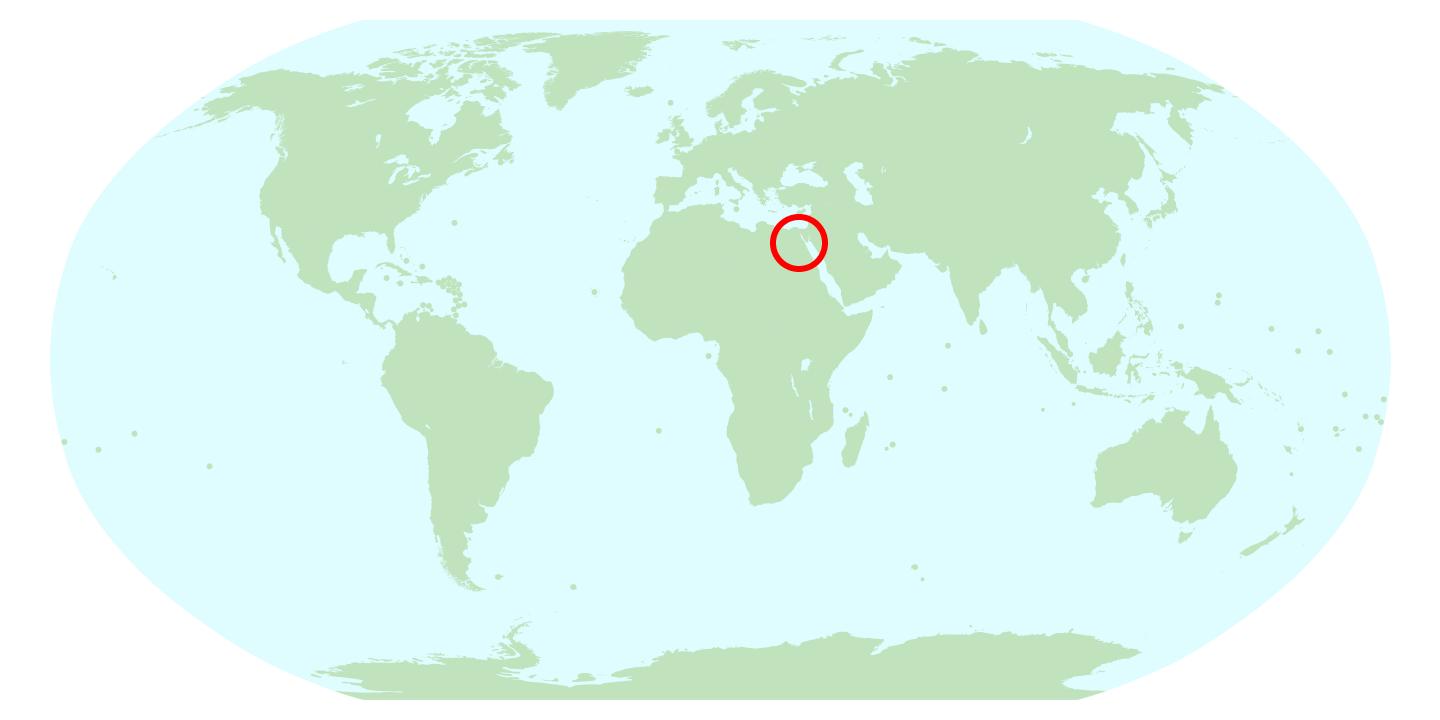
Around 3000 years ago, the Bronze Age civilizations of the Ancient Near East — including Minoan Greece, Ancient Egypt, and Mesopotamia — were the first to develop centralized economic systems in which most of a nation’s economic output would be collected in large centralized grain stores, and then redistributed to the populace during times of famine.
Since this process was run by the, historians now refer to this as a “Palace Economy.”
Remember, this was the ancient world. When the flow of the Nile was unfriendly to a harvest in a given year, the subsistence-level peasants would have no choice but to starve.
The solution? Give most of your harvest to the central government, and trust them to redistribute it fairly. It would essentially be a giant pooled insurance fund (except the idea of currency hadn’t been invented yet, so it was mostly grain and livestock).
In short, everyone works for the Pharaoh — and in return, the Pharaoh gives them economic security.
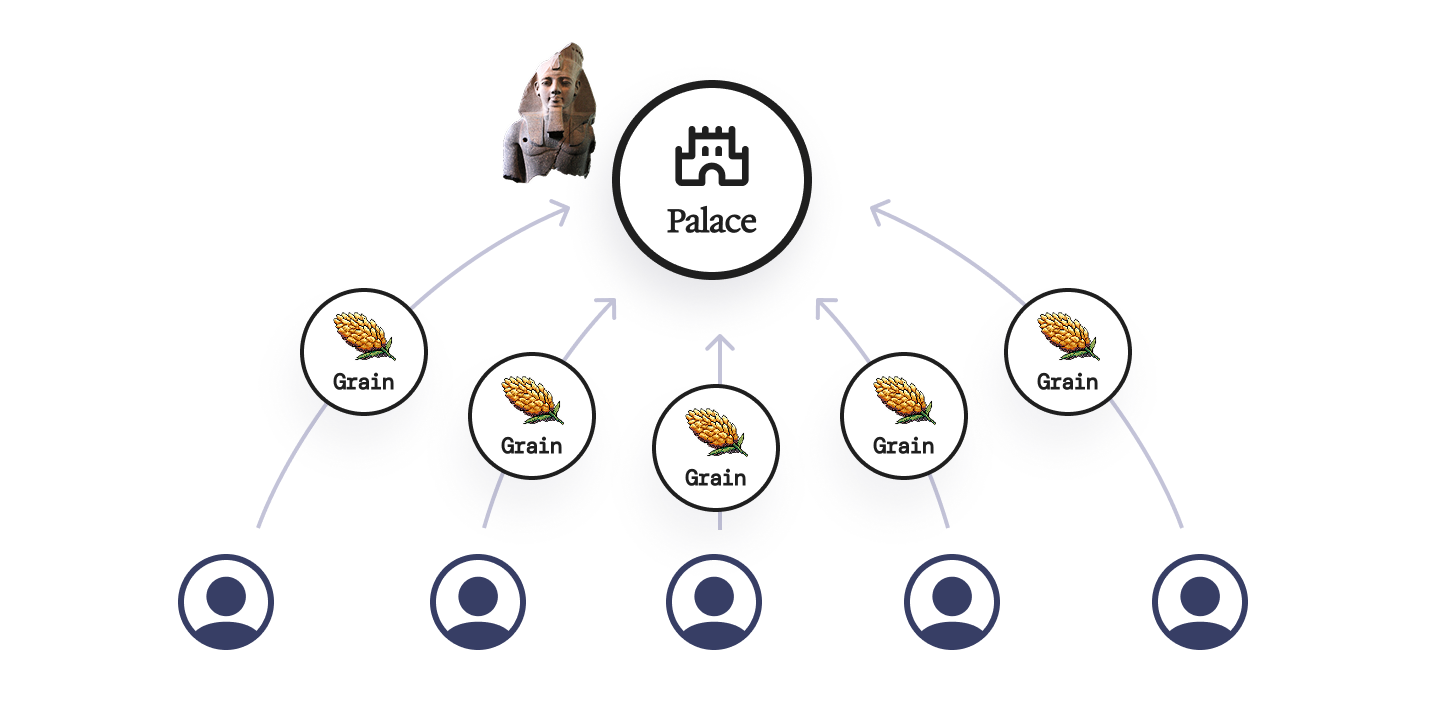
As one can imagine, this type of economy vests immense authority in the central government. However, in an era in which famine and starvation were consistent threats against daily life, the fact that the state had the resources to even pull this off was perhaps the greatest mark of civilization.
In a palace economy, the state is the economy. Political and economic power are inseparable.
The Market
Look at this chart. It goes up very quickly.
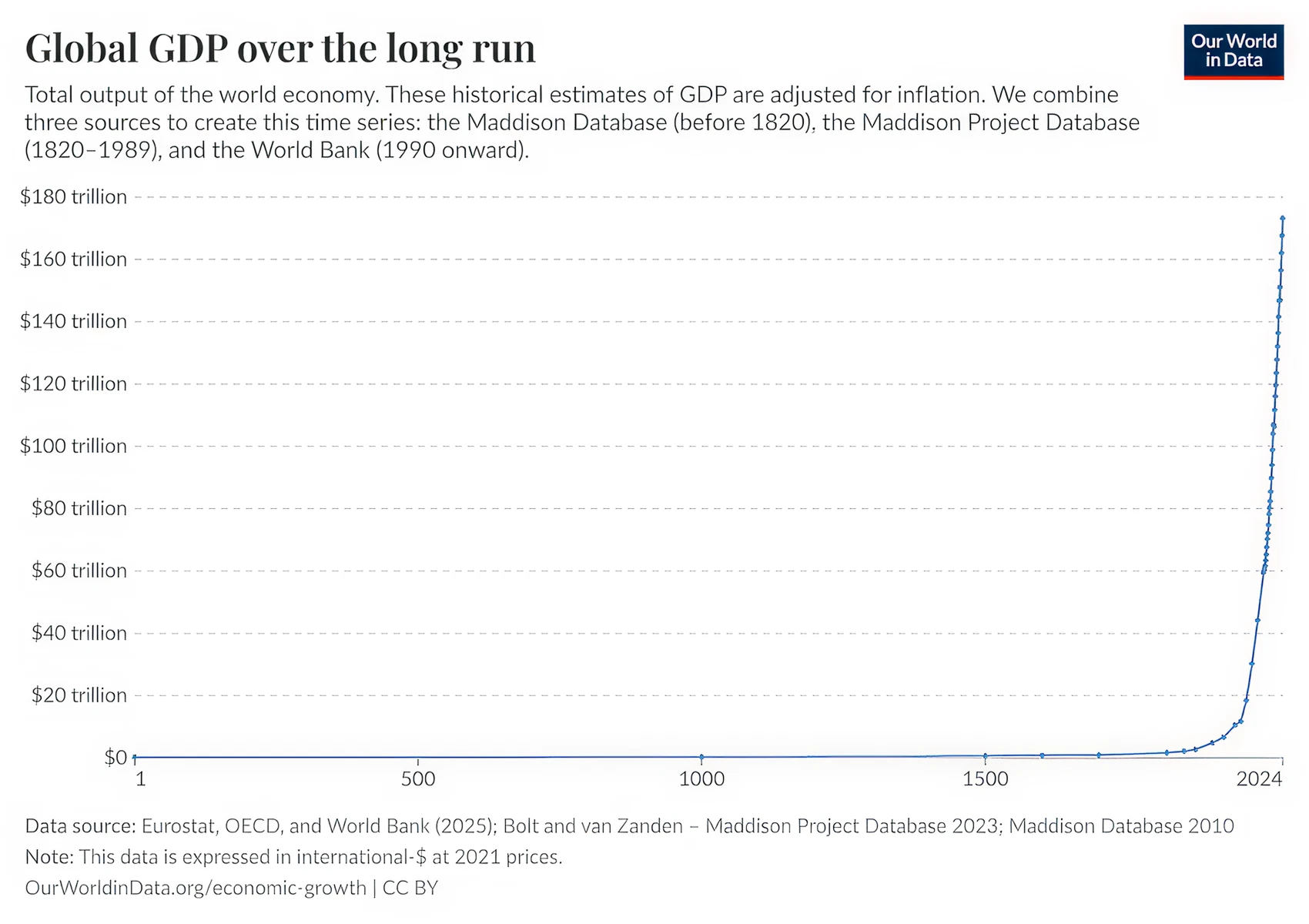
Most of this exponential growth has come down to a singular invention: the market.
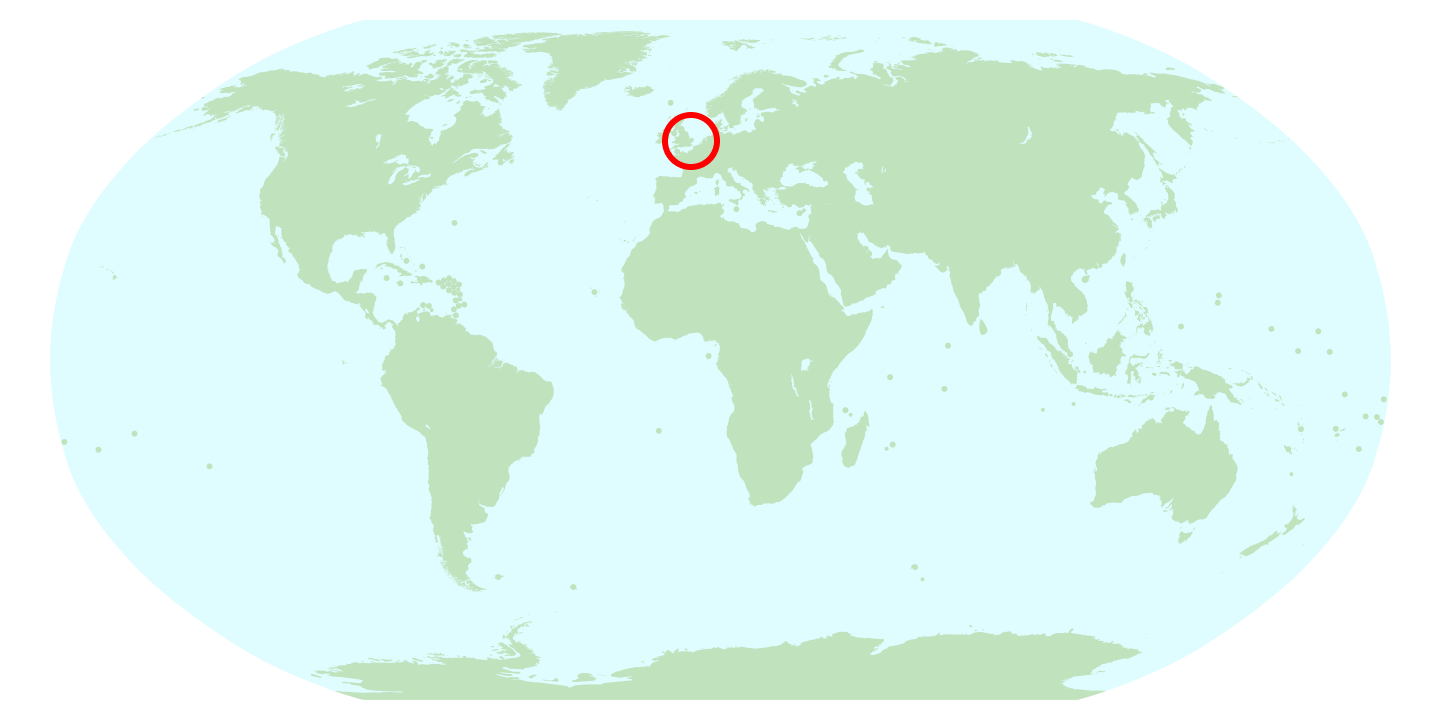
Marketplaces have existed since antiquity, but most scholars agree that the first instance of what one may call a market-driven (capitalist) economy was pioneered in the Netherlands and Great Britain in the early 17th century.
Now, instead of a central government,
Now, a few hundred people could
You could even split
The market has persisted this long because it offers a level of abstraction previously unheard of — you literally never need to know which farmer produced your feed, which factory work stitched your shirt, or which architect designed the house you live in.
They each simply got paid for their work, and some time later, you paid for each of these goods with the money you’ve made from your craft.
It’s decentralized, but somehow attends to everyone’s needs at the same time. There is no central planner or Vizier controlling the system, and yet every person’s need is (mostly) taken care of at a certain price.
The Internet
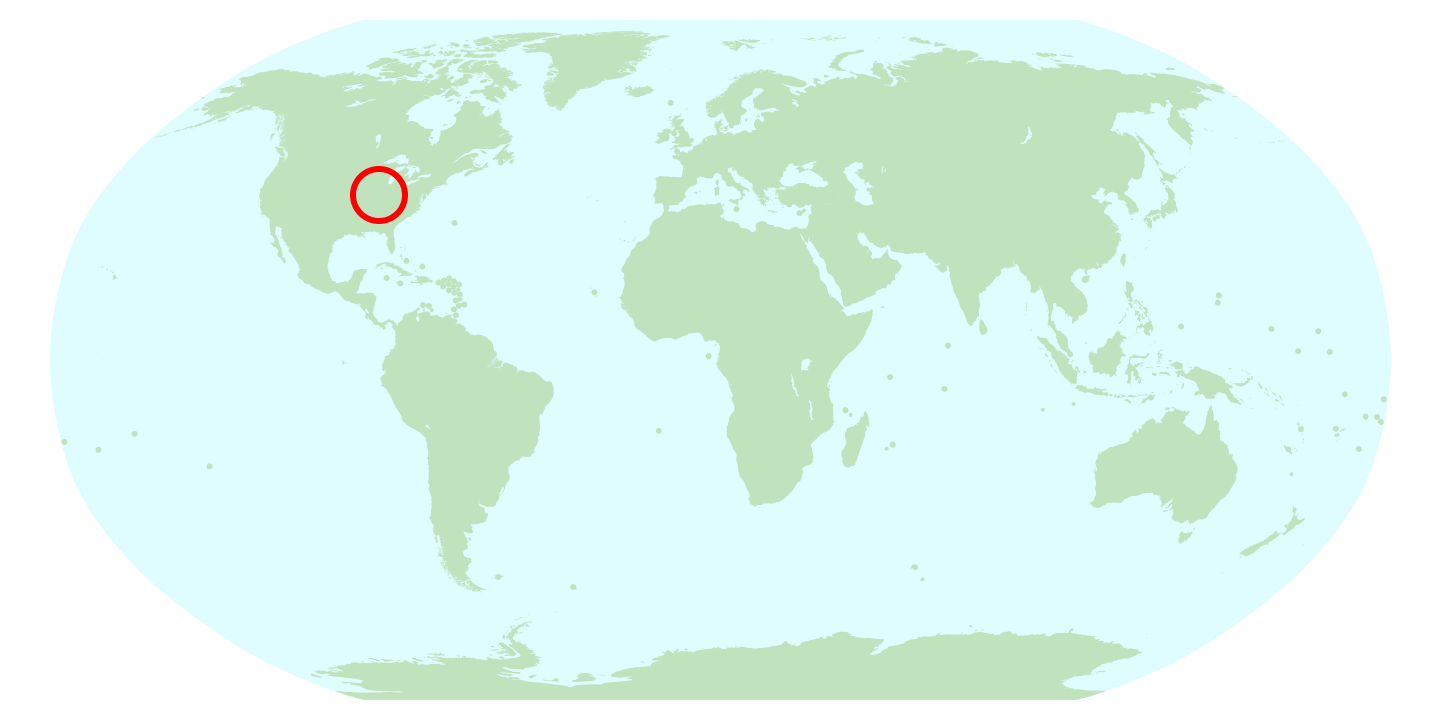
In the Web’s first generation, Tim Berners-Lee launched the Uniform Resource Locator (URL), Hypertext Transfer Protocol (HTTP), and HTML standards with prototype Unix-based servers and browsers. A few people noticed that the Web might be better than Gopher.
In the second generation, Marc Andreessen and Eric Bina developed NCSA Mosaic at the University of Illinois. Several million then suddenly noticed that the Web might be better than sex.
Bob Metcalfe
In the 1990’s, a few researchers at the University of Illinois invented Mosaic, the first mainstream internet browser… and the world hasn’t been the same since.
The Internet is the “final form” of the market — it offers even more abstraction, at even faster speeds, universally.
A great deal of how humans use the internet is for discovery. We’re looking for something that suits our needs, whether it be simple entertainment or a specific piece of information.
The most successful internet companies are all specialized markets — platforms for sellers and buyers to find each other, with the platform itself taking a percentage cut of every transaction.
Remember, not all markets need to be money-based. In fact, in the digital economy, attention and personal data has proven to be a far more lucractive currency than old-fashioned transactions. YouTube Creators are “selling” entertainment, and their viewers are “buying” each video with the cost of their attention and time.
- Google is a market for information.
- Amazon is a market for purchases.
- YouTube is a market for entertainment.
- Instagram and Facebook are markets for social.
As fun as “surfing the web” may be, most people agree that it can be a waste of time + is simply a roadblock in the way of accomplishing our actual goal. Anyone who’s ever tried to write a research paper will know how excruciating the research process acutally is. Why can’t my sources ever cite themselves?
These apps are built on one simple principle: the computer doesn’t know what you want, so here’s an easy way to search through the entire repository of human knowledge in a matter of seconds.
But… what if it did?
As in… computers can now think and reason, and even search the internet to answer your questions.
Like an AI system that has been trained on the entire internet, and also your specific tastes.
The Orb
Now onto the speculation.
It’s the 2020s, and computers can now think, see, and reason.
LLMs can now read your research paper, spreadsheet, or essay — and give detailed feedback based on the amalgamated preferences of all of humanity latent within its training dataset.
I believe that the future economy will be overseen by a centralized AI model, which will facilitate all economic interactions based on its own judgment.
For convenience, let’s call this omniscient AI system “the Orb”. The Orb’s training dataset wille be a universal repository of all work output produced by both humans and AI.
Every film.
Every research paper.
Every painting.
Every Excel spreadsheet.
Every NFT.
Every widget ever produced by a human will be uploaded directly into the Orb, similar to how we would upload a file into Google Drive today.
Then, whenever a human requires anything new to be created, they would simply ask the Orb to generate something tailored for their purposes. Imagine a simple prompt such as:
Generate a publication-level research paper on the hallucation problem of LLMs
Then, the Orb would take some time to “conduct” the research and generate a full paper with citations. Then, you’d be charged a set amount for the tokens used by the AI (let’s say ~$100 for a task of this scale).
You may be asking… “what’s so special about that? Even the most basic LLMs already have similar functionality today.”
What do academic papers have? Citations.
Of the $100 you paid into the Orb, a portion of those earnings (maybe generously around $50) would automatically be deposited into the accounts of the researchers whose papers were referenced by the AI in writing this new paper.
In short, everyone works for the Orb — and in return, the Orb gives them economic security.
Part II
The Early Signs
We already have a few early signs into how this new economy may work — namely, with streaming platforms.
Whereas film studios and record labels used to sell the rights to movies & songs via a licensing agreement (e.g. Marvel sold the film rights to its most famous characters for around $50M), the rise of streaming platforms has slowly set a new standard when it comes to artist compensation.
Instead of getting $10M for the rights, Mariah Carey receives something like $0.003 every time someone streams “All I Want for Christmas is You” on Spotify. That may not seem like a lot, but over millions of streams (including corporate uses, which charge more), many people have earned quite a living through this streaming structure.
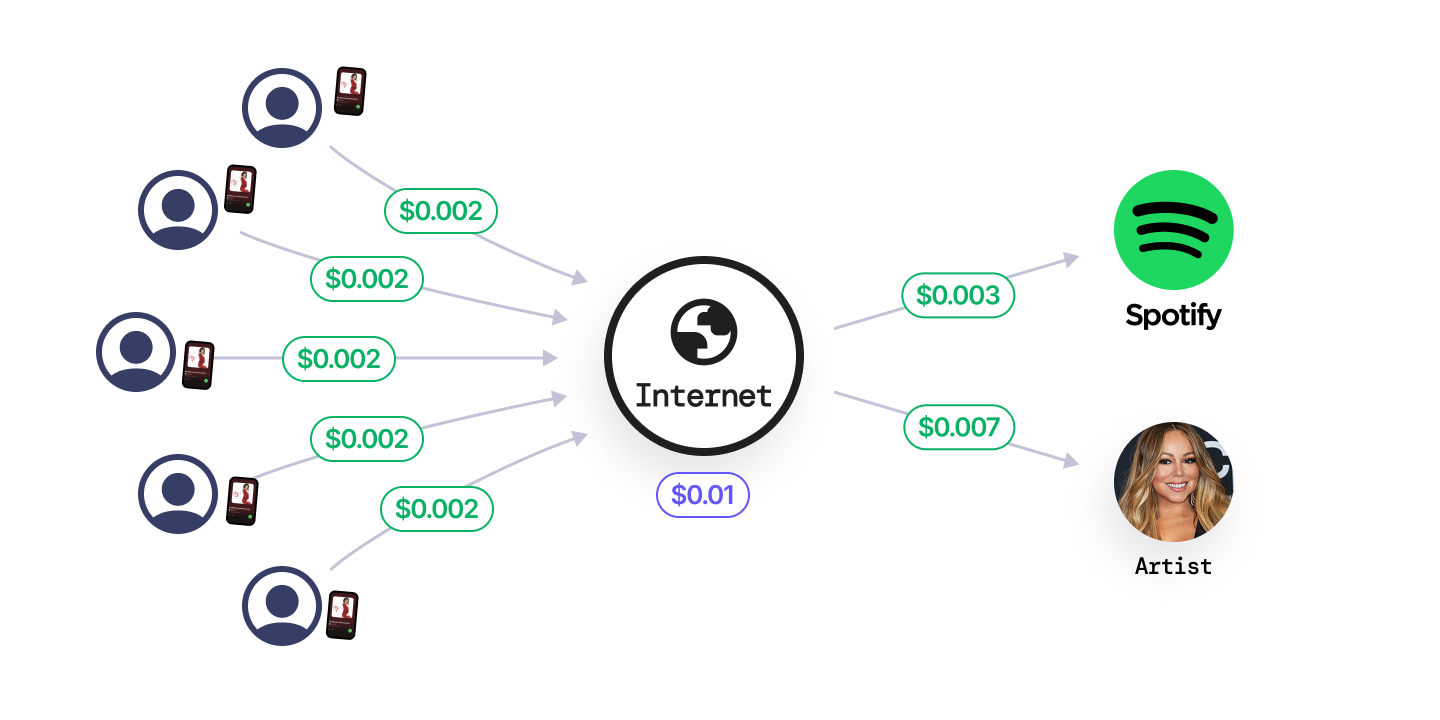
Imagine if every time someone generated another Studio Ghibli image via OpenAI, Hayao Miyazaki personally received $0.001 in royalty fees. Or whenever scenes from The Godfather are used as training data for a specific Sora 2 generation, the estate of the film crew receives $0.003.
It makes sense for the artists, who want to be compensated for their work.
It makes sense for the AI companies, who want to:
A) avoid expensive copyright litigation
B) ensure that their AI model handles 99% of all transactions in a given economic bloc. This would essentially mean that they are becoming a bank, public exchange market, and market maker all at the same time.
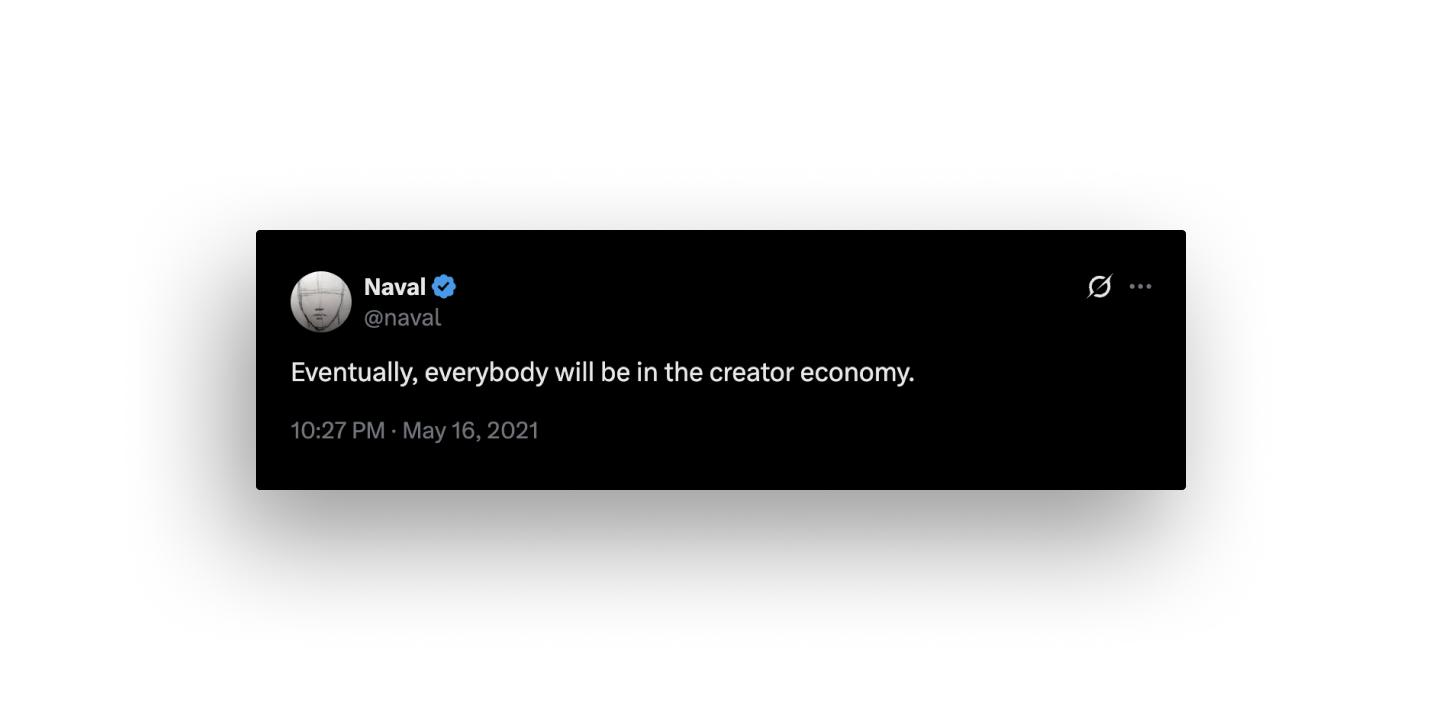
TL;DR — everyone will be a solo artist, receiving royalties from the Orb for their work.
The fundamentals of work remain the same: you get paid more if your work is popular, and less if it is not.
However, the difference is, you may never know whose work you’re implicitly paying for, since they won’t be a single.
If your “Generate an image of a porcupine” prompt used 14% inspiration from National Geographic and 7% inspiration from the paintings of Vincent van Gogh, that’s exactly how much each of them would be paid.
The Future of Work
Let’s say that you’re an artist.
Currently, your workflow probably looks something like this:
- Create a piece of art
- Upload it to a discovery platform such as Behance, Dribbble or Etsy
- Hope that some wandering web-surfer discovers your work and decides to pay for it via a web commerce provider.
There’s a great deal of manual discovery and searching in this process — which is all time which should instead be spent on you getting paid, and your customer on actually finding what they want more quickly.
- Create a piece of art
- Upload it to the Orb
In this scenario, 80% of the search-and-discover process has been removed — each party gets exactly what they want, as quickly as possible, with little to no friction in between.
The Orb becomes the universal third buyer, the market maker who provides liquidity to all involved parties in the transaction.
Part III
The Losers
Anyone who makes money by taking advantage of market friction (as opposed to creation or consumption) is in for a rough ride.
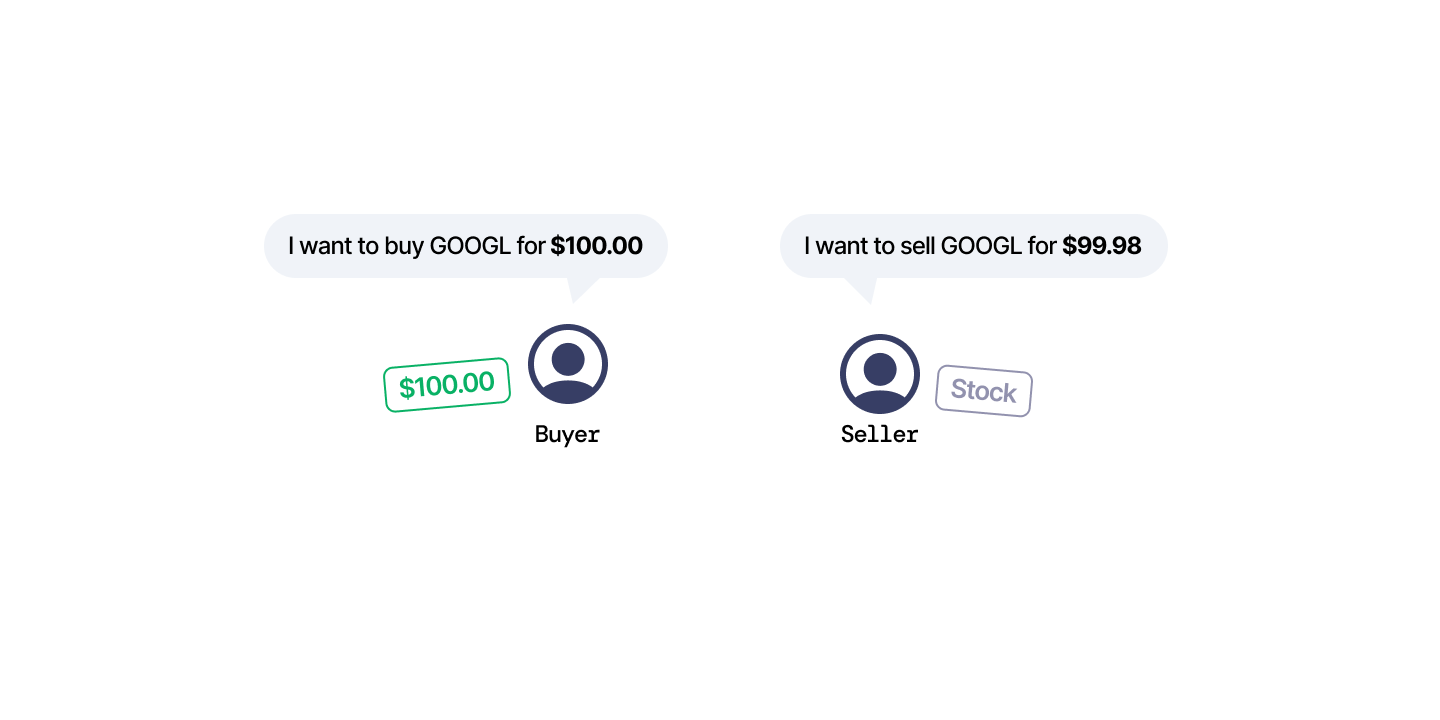
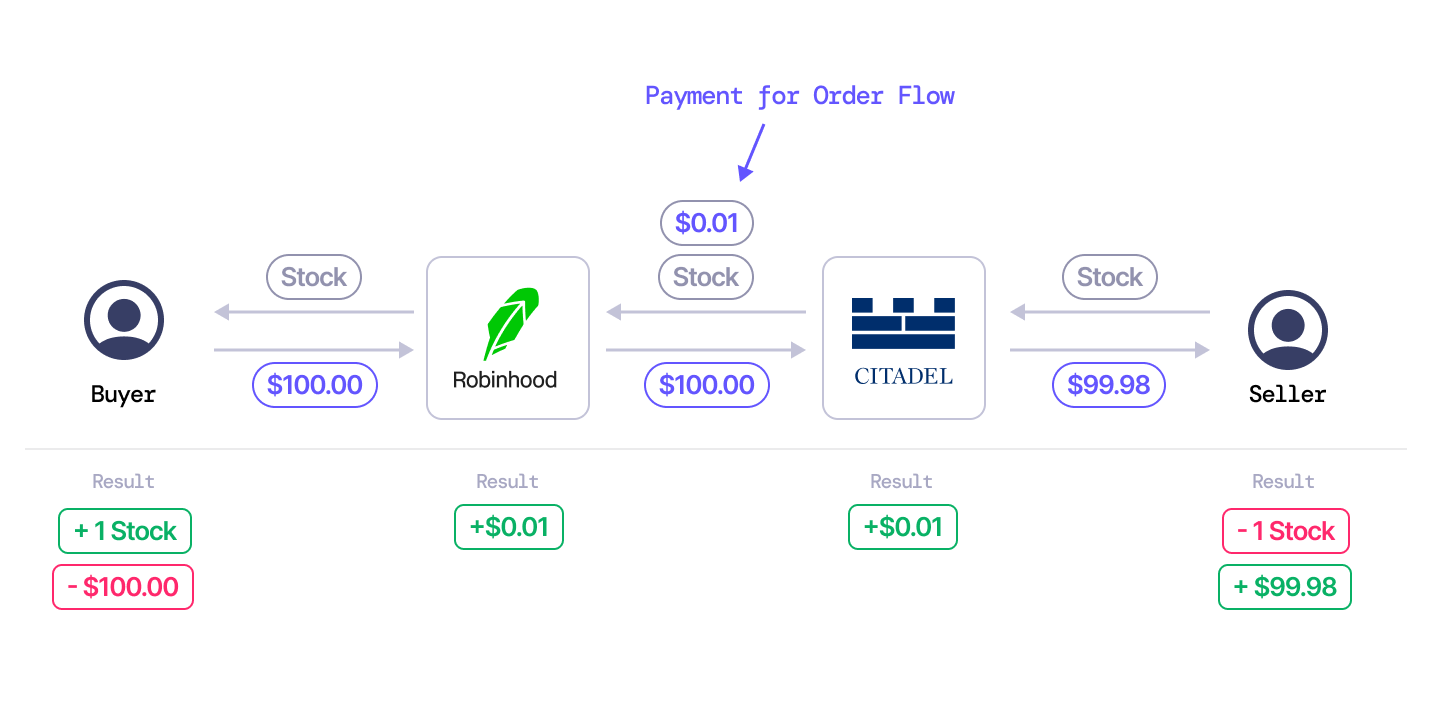
Citadel, in addition to being a hedge fund, is the largest market maker in the United States, which means they make money by providing liquidity to the stock market. When you buy a share of GOOGL, you probably aren’t buying from another investor who wants to sell. Instead, a market maker (such as Citadel) has bought a large amount of GOOGL from sellers, and then sells it back to you at the requested price.
Robinhood makes most of its money via Payment for Order Flow (PFOF), which is a fancy way of saying market makers pay them to own their customers.
Amazon as a whole might be fine, but their central e-commerce business may be in for a heap of trouble. Other than the select few people who genuinely enjoy browsing on Amazon for random items, I suspect that most everyday commercial transactions will be subsumed by the Orb. Browsing the Amazon catalogs will become entertainment, not a utilitarian benefit.
However, remember that 70% of Amazon’s revenue actually comes from Amazon Web Services (AWS)
Marketing as a profession would greatly be impacted, since it largely depends on making un-discovered products discoverable. After all, what use is a fancy ad campaign when the Orb already knows exactly what every single customer likes based on their history? I don’t think the entire marketing industry will collapse, but it’s reasonable to expect that it will mostly be replaced by search engine optimization (SEO), or more precisely, AI optimization (AIO)
The Winners
OpenAI — wow, Sam Altman can’t stop winning, can’t he? Obviously, if there’s a winner in this scenario, it would be the company which creates and controls the Orb.
My bet is on OpenAI, if only for the fact that this entire AI boom has been primarily led by them from the beginning. Maybe that’s why Mr. Altman has been planning to spend $1T+ on data centers…
Stripe is already one of the biggest beneficiaries of the AI boom, and their recent collaboration with OpenAI means that their technology will likely underwrite a large portion of the future AI economy for decades to come. Fast internet payments are literally what Stripe was built for, so don’t be surprised if the “Orb” also prefers Stripe to handle all of its invoicing and payments.
Solopreneurs have already figured this out — except that in an odd way, instead of marketing to humans via social media, they may need to try their best to have the almighty Orb notice their works so it will redirect more requests to their services.
What To Do
Let’s say that you’ve read this far into the essay (by the way, thanks for reading!), and you decide you agree with this thesis.
What exactly are you telling me I should do, random essay guy on the internet?
The answer is yes — and several times, actually. The idea of a centralized liquidity provider has been implemented (albeit only partially) via the state.
In the Late Bronze Age (~12th century BC), the leading civilizations of the era Palace Economy of the. The Mycenean Greek stat, and the Pharaohs of Ancient Egypt similarly kept large grain stores to feed their populace in times of famine.
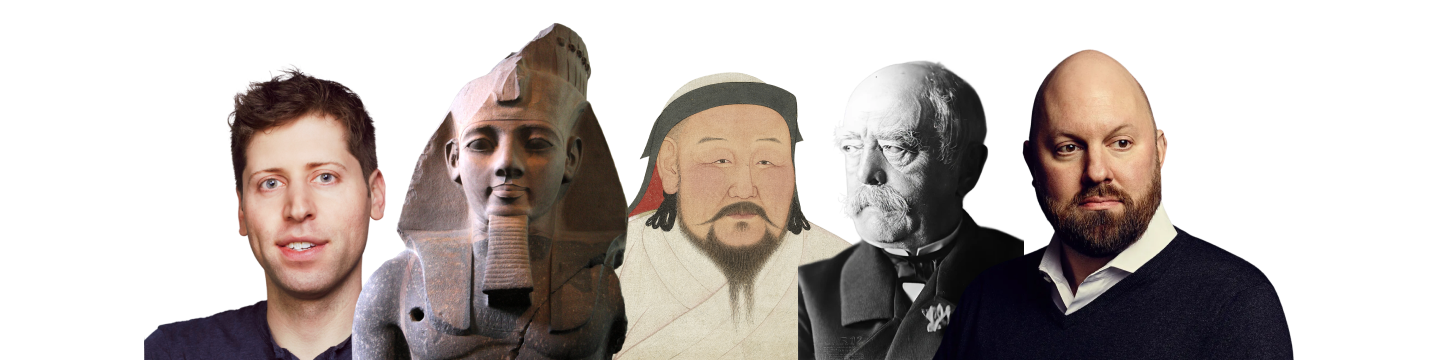
In the Industrial Revolution (19th century AD), Chancellor Otto Von Bismarck of the Prussian Empire created the first welfare state in order to accommodate his rapidly industralizing nation and the rapid structural changes that it brought about.
Sam’s World
OpenAI is not Mr. Altman’s only job these days. He’s also been working on a company called World, which scans humans’ irises and assigns them a “World ID”. Altman says that his goal is for everyone on Earth to have their own unique World ID, which will enable the distribution of universal basic income via the Worldcoin cryptocurrency.
He has also been on a world tour recently, committing over $1 trillion in investments in data centers and computing power. Surely he wouldn’t need any of this scale if he was just planning on releasing the next LLM.
Mr. Zuckerberg of Meta has also been on a different kind of tour, spending billions of dollars on poaching top AI talent to form Meta Superintelligence Labs. Several top figures have already taken him up on these offers, which reportedly sometimes exceed over $1B in compensation for a single researcher.
I believe that Altman, Zuckerberg, and several other high-profile figures in the AI research space have already caught onto a similar version of this future and are working their hardest to be the first to build “the Orb”. Maybe they aren’t thinking of it in these exact terms, but it’s clear that they have a larger vision than they’re letting on.
Maybe it’s not quite AGI yet, but it would at least make them Pharaoh.
It really will just be Sam’s World, and we really will be just living in it.
Conclusion
Now that we have a basic idea of how the future economy may be oriented, there are still a few questions left un-answered:
- Will each nation have its own sovereign Orb, or will we end up with 2-3 economic blocs similar to the Cold War?
- How will this process by encrypted? Is this a
This essay was 100% authored by a human, not an LLM.
Special thanks to Helen Huang for inspiring this essay.