The Roman-Persian Wars and the Future of Great Power Conflict
My predictions on the US-China conflict, based on the greatest rivalry of classical antiquity.
 ·
Today is May 2025, in the midst of Trump’s new trade war against the People’s Republic of China.
Many prominent commentators (as they tend to do, since commentators have little else to do with their free time) have already opined on what historical parallels we should look to in order to guide ourselves through the next four years. Comparisons abound, from the end of the Roman Republic to the rise of fascism in Europe to the eventual fall of the Roman Empire in the 4th century AD (wow, we really can’t get enough of the Romans, can we?).
In this essay, I would like offer a more obscure, yet oddly relevant historical period for comparison. I believe the most relevant historical parallels to the Trump era can be found in the Roman-Persian Wars — the greatest rivalry of Classical Antiquity.
Lasting for over 700 years (54 BC - 628 AD), these wars were fought intermittently for nearly the entire existence of both the Roman and Persian Empires respectively.
Let’s dive in.
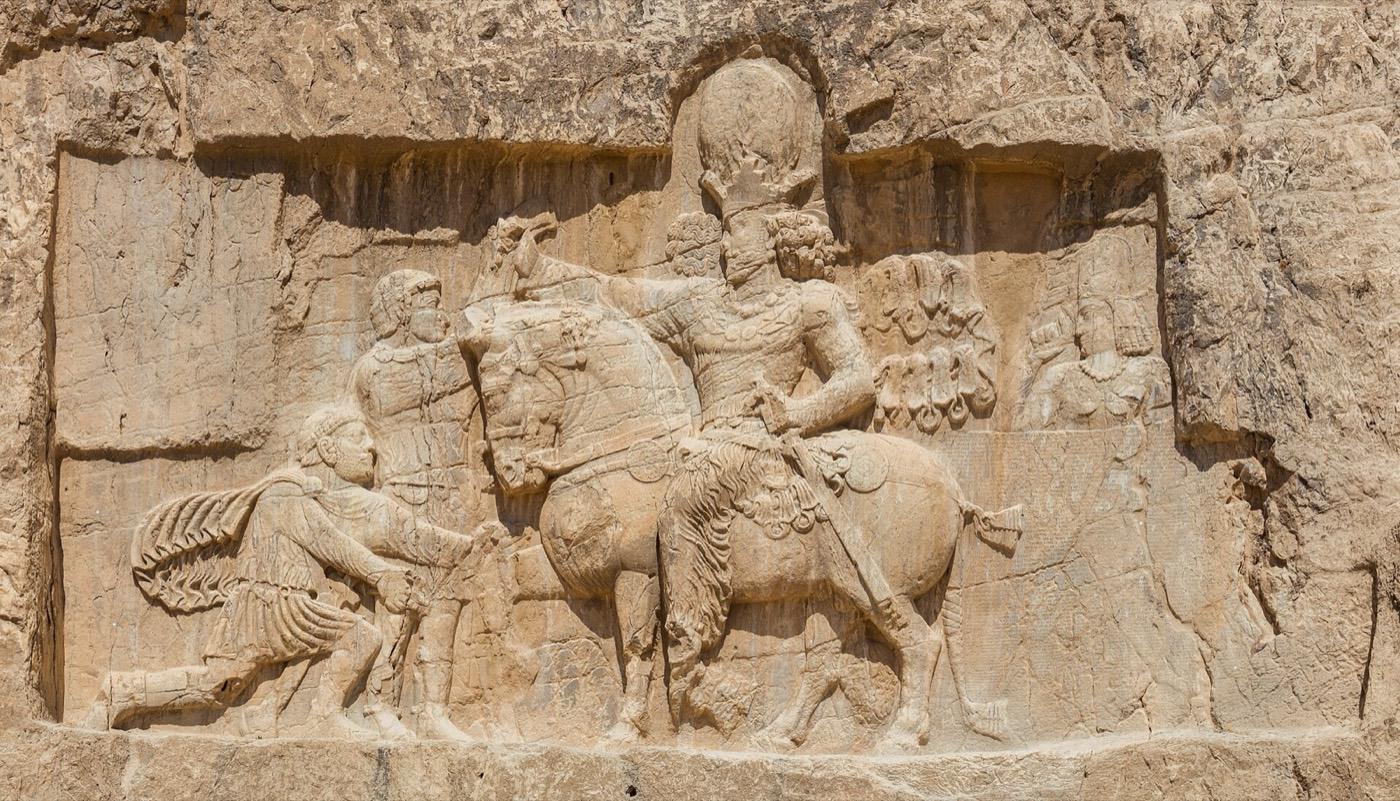
Rome
Rome needs no introduction, particularly to Western audiences.
For our purposes, I would like to highlight 3 key moments in Roman history that may be of interest to this conversation.
- 753 BC: The city of Rome is founded by Romulus, the legendary first king of the Roman Kingdom.
- 509 BC: Marcus Junius Brutus overthrows the last King of Rome, establishing the Roman Republic.
- 27 BC: Augustus becomes the first emperor, marking the creation of the Roman Empire.
- 184 AD: Diocletian reunites the empire after the Crisis of the Third Century, adopting a more absolute form of rule known as the Dominate.
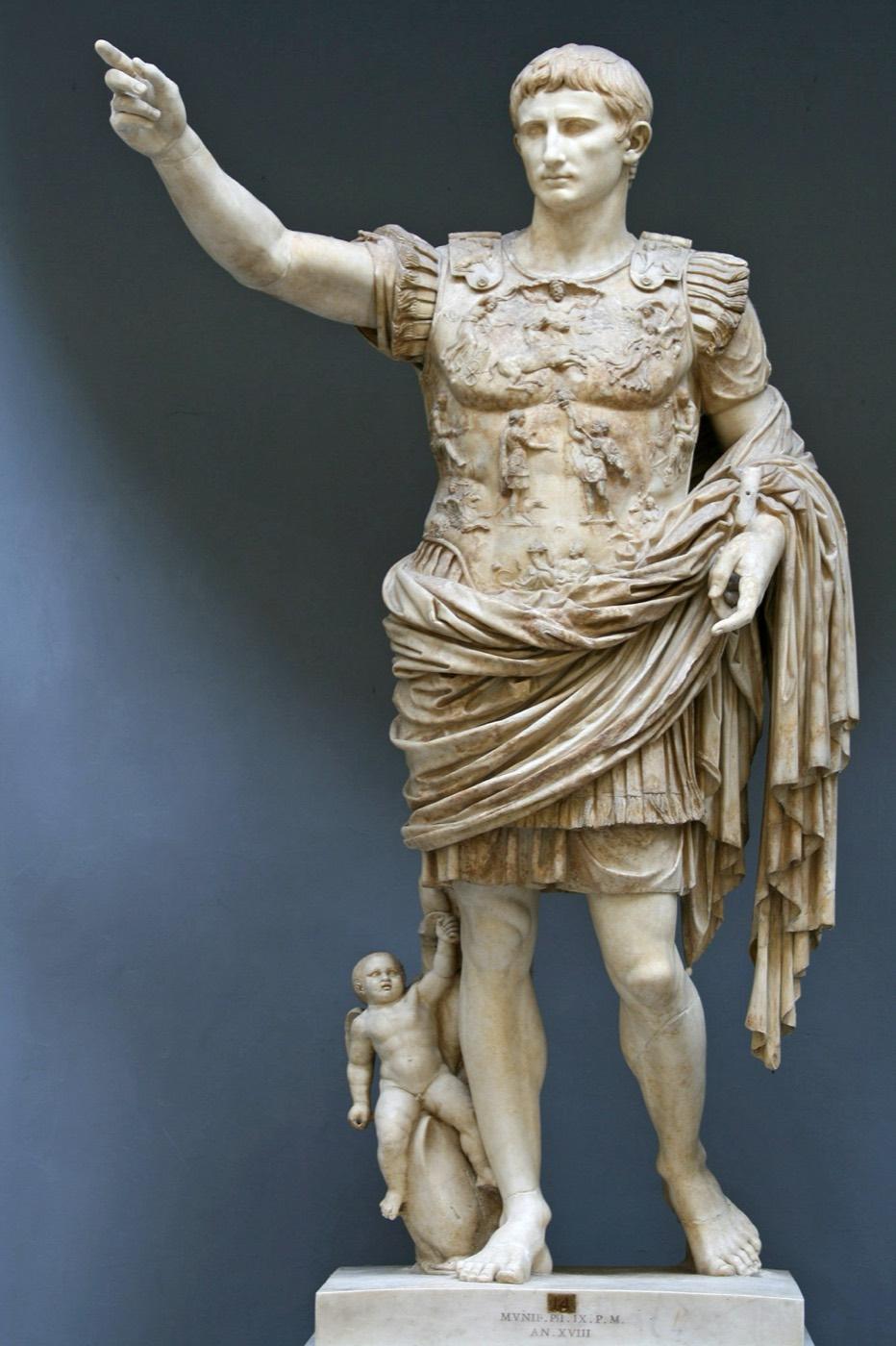
What we can see in Roman history, is the story of an idealistic nation that was constantly struggling with its own political identity. The conflict between liberty and autocracy, between chaos and stability, proved to be a constant point of tension as the empire grew and extended itself to cover the entire Mediterranean basin.
Ultimately, Roman liberty collapsed and gave way to absolute imperial rule.
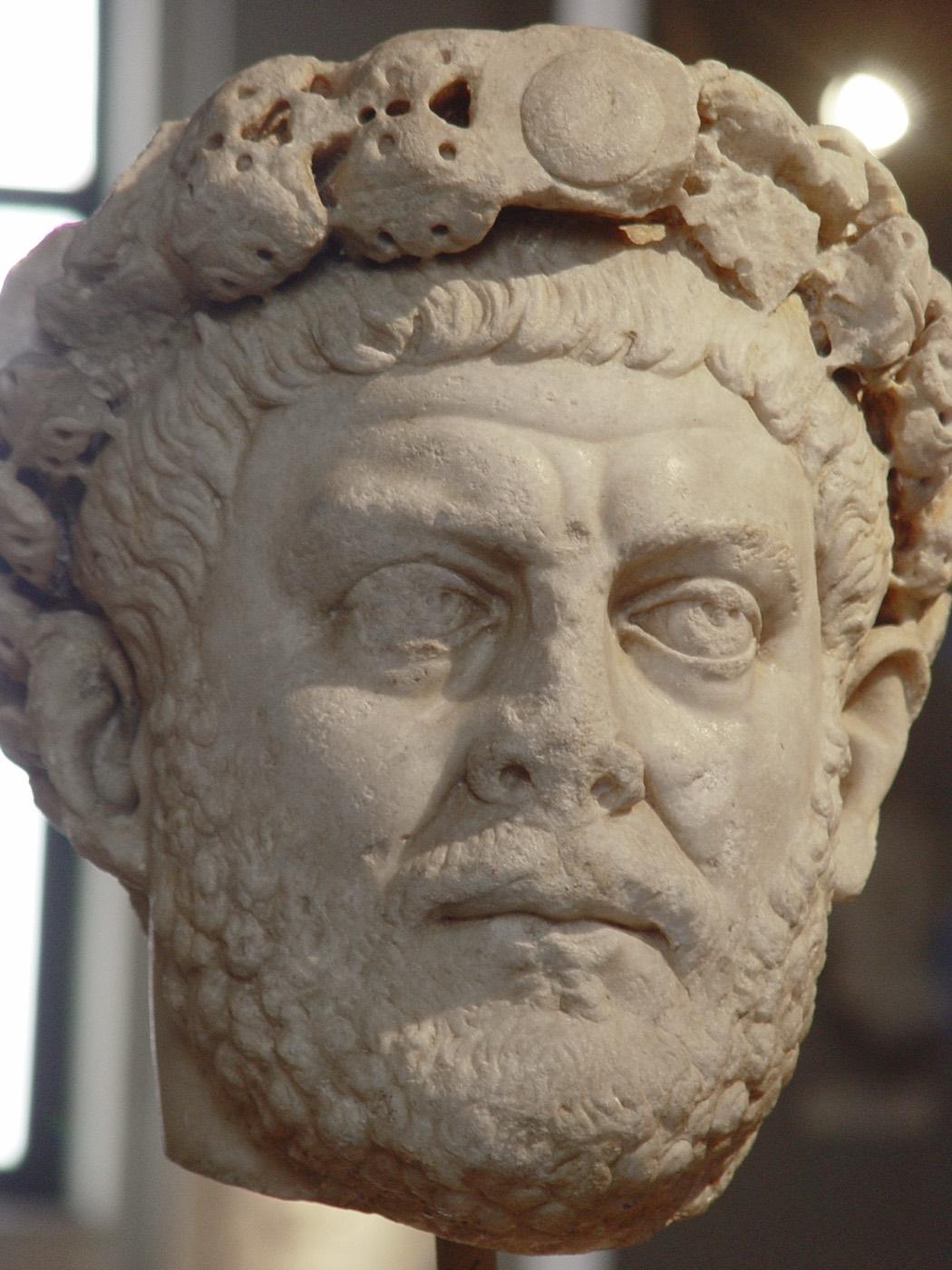
However, this did not mean the end of Rome — in fact, most of what we know as “Roman history” actually takes place after Augustus abolishes the city’s original republican values, giving way to absolute emperors such as Nero and Caligula who are much more well-known to modern audiences.
Persia
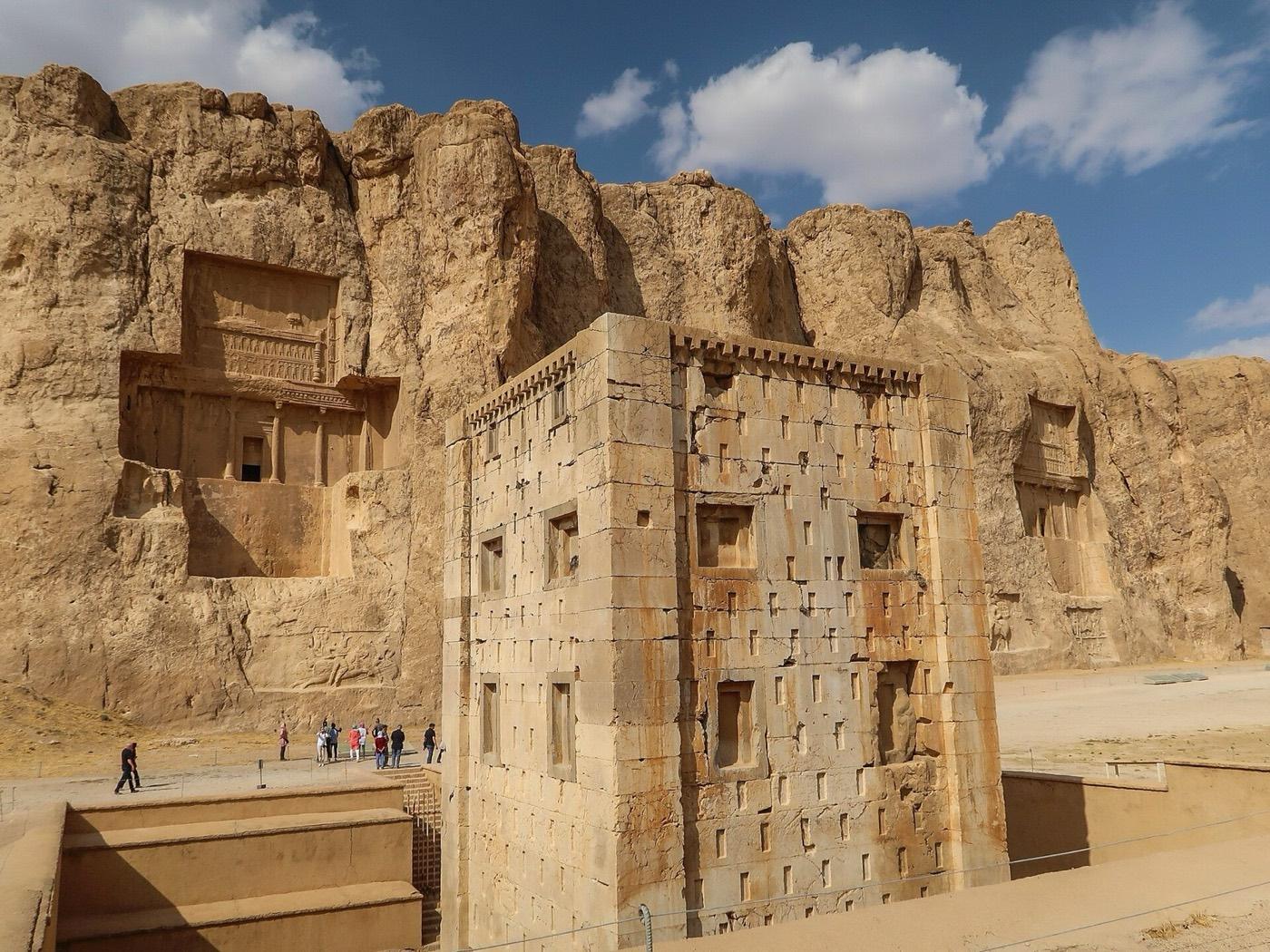
Iran, historically known as Persia to Western audiences, had long been one of the oldest continuous civilizations in human history.
- 330 BC: Alexander the Great conquers and ends the Persian Achaemenid Empire.
- 247 BC: Arsaces I rebels against Greek rule and establishes the Parthian Empire.
- 224 AD: Ardashir I rebels against the Parthians and establishes the Sassanian Empire.
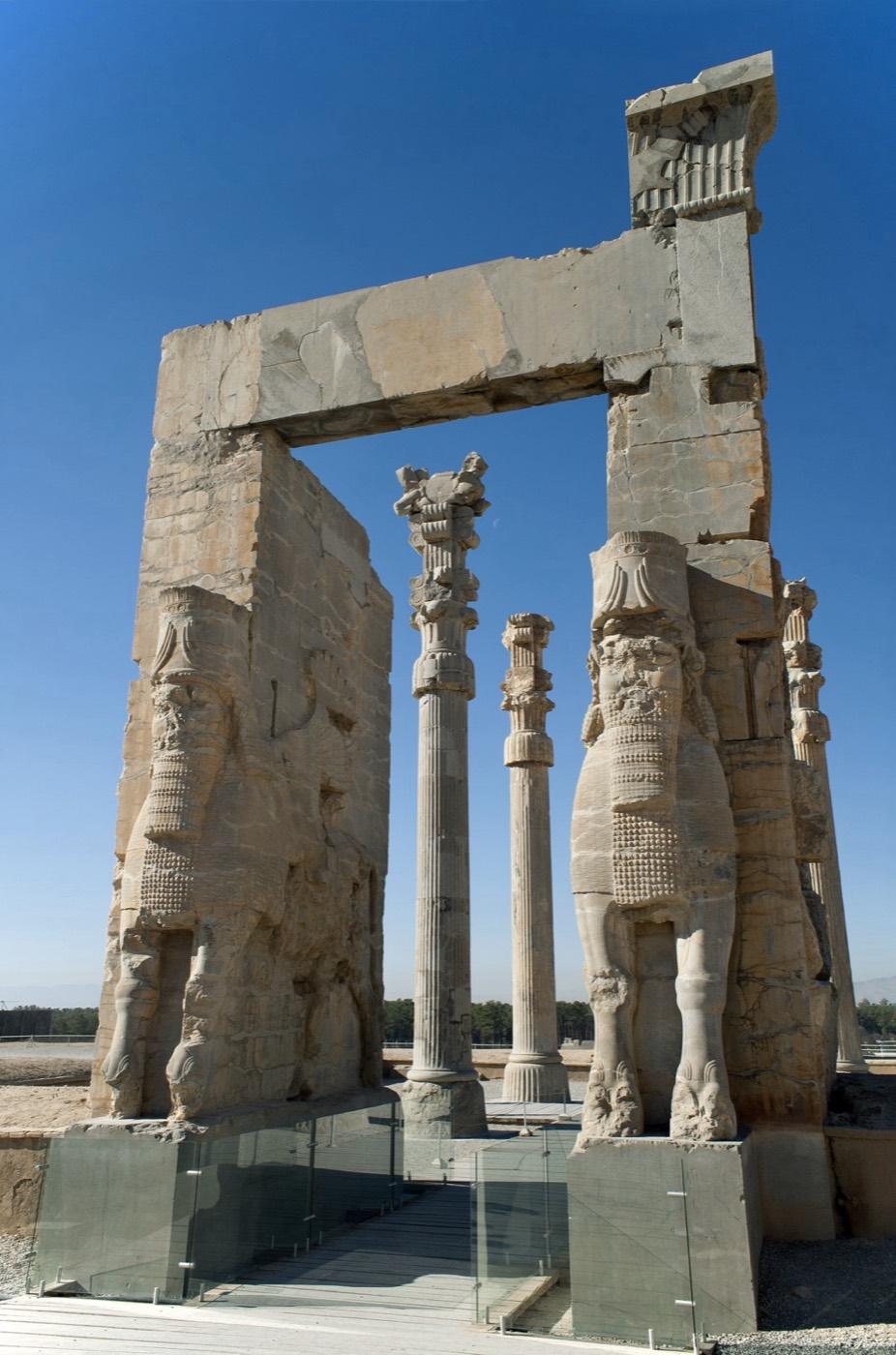
Persian history is a model of cultural continuity and resilience. Every time it is beset by foreign invasions
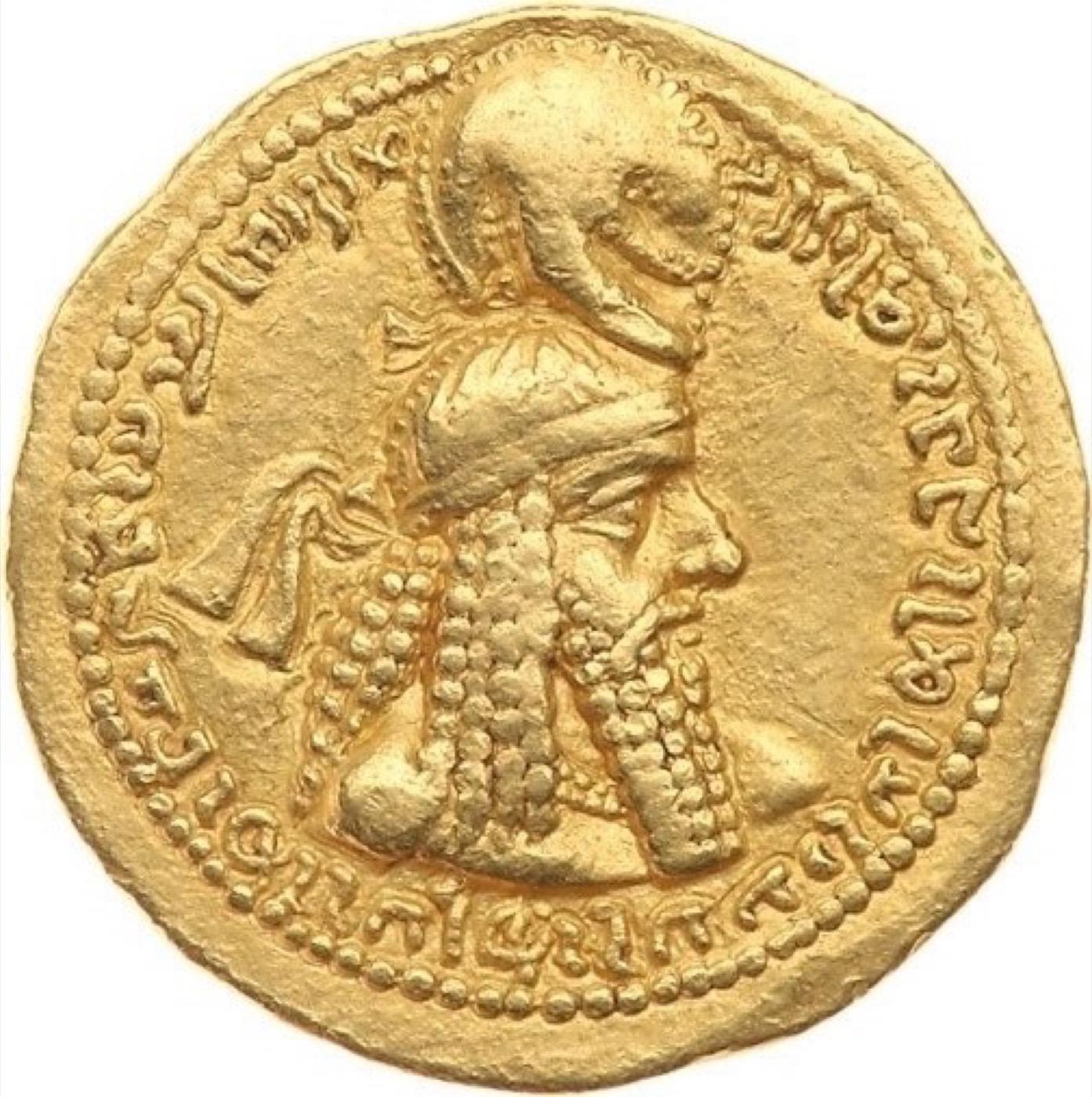
It is also the story of Persian chauvinism — the belief that its divinely ordained ruler, the Shahanshah, is the supreme ruler of the known world and the other nations are nothing more than tributaries or vassals.
Conflict
As the two most powerful empires in Western Eurasia at the time, Rome and Persia were always in conflict for hegemony over their region. For context, here is a shortlist of just a few of these wars:
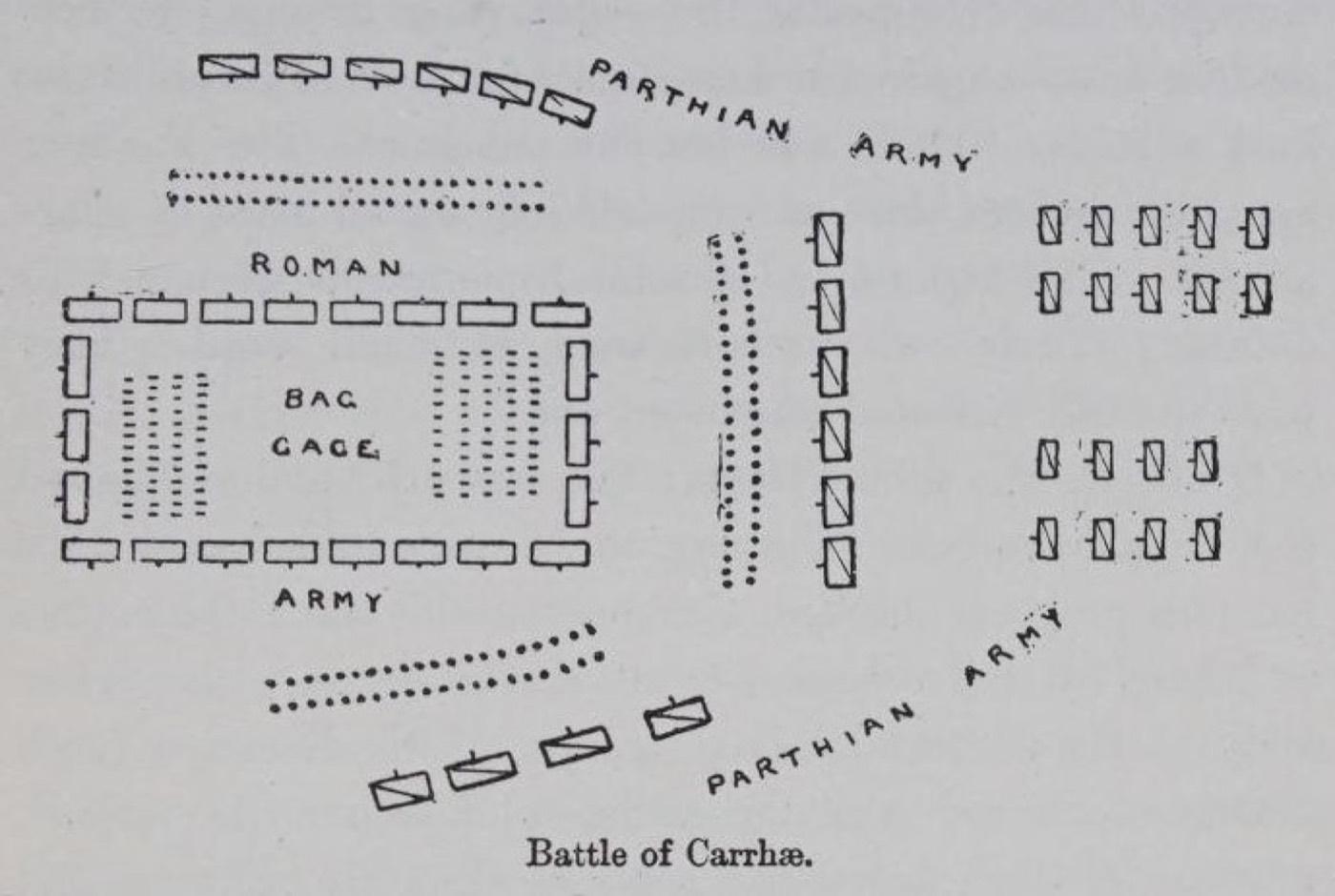
- Battle of Carrhae (53 BC)
- Antony’s Parthian War (40–33 BC)
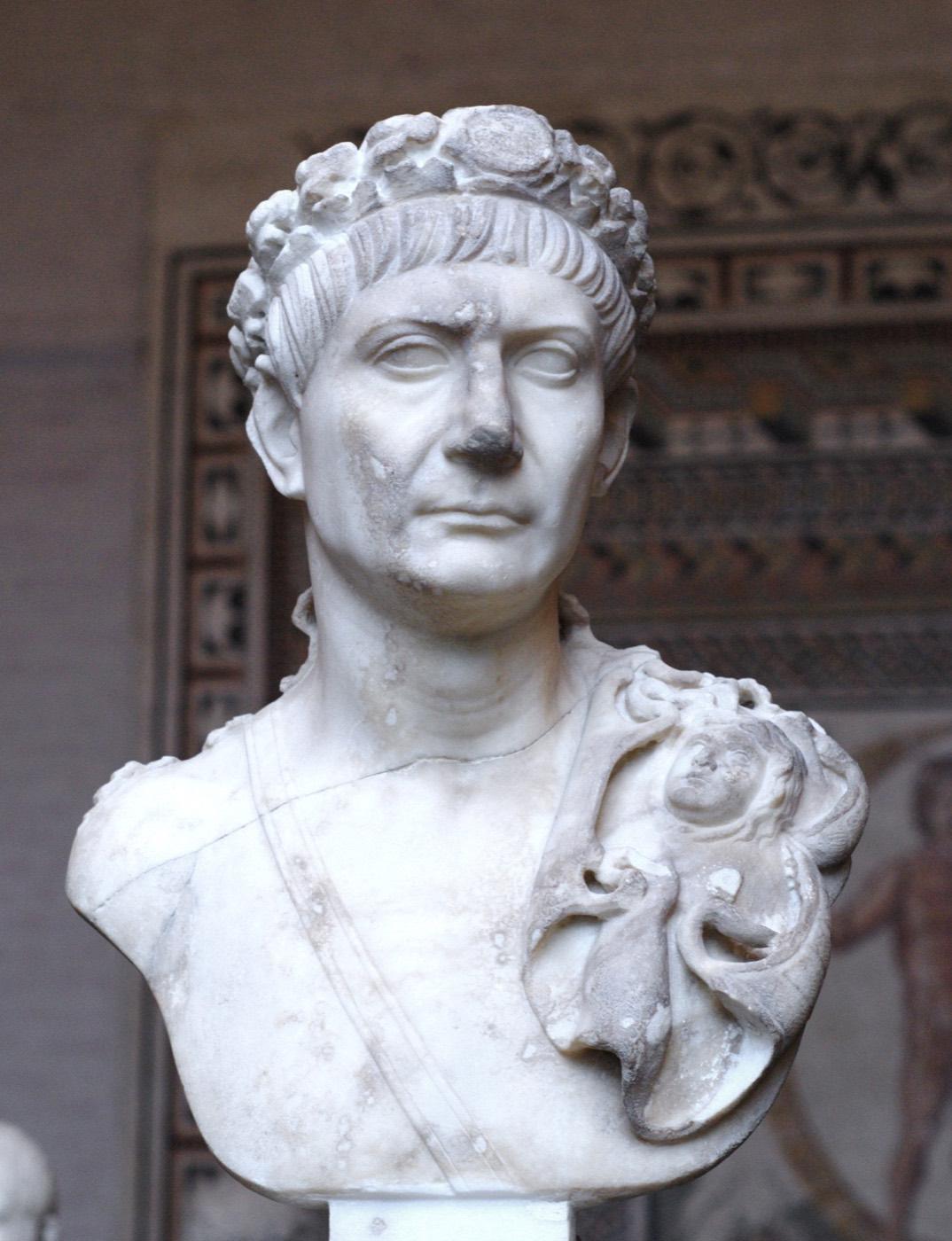
- Trajan’s Parthian Campaign (114–117)
- Roman–Parthian War of 161–166
- Roman–Parthian War of 194–198
- Sasanian Campaign of Severus Alexander (230–232)
- Sasanian Campaign of Gordian III (242–244)
- Battle of Satala (298)
- Perso-Roman Wars of 337–361
- Julian’s Persian Expedition (363)
- Roman–Sasanian War of 421–422
- Anastasian War (502–506)
- Iberian War (526–532)
- Lazic War (541–562)
- Byzantine–Sasanian War of 572–591
- Byzantine–Sasanian War of 602–628
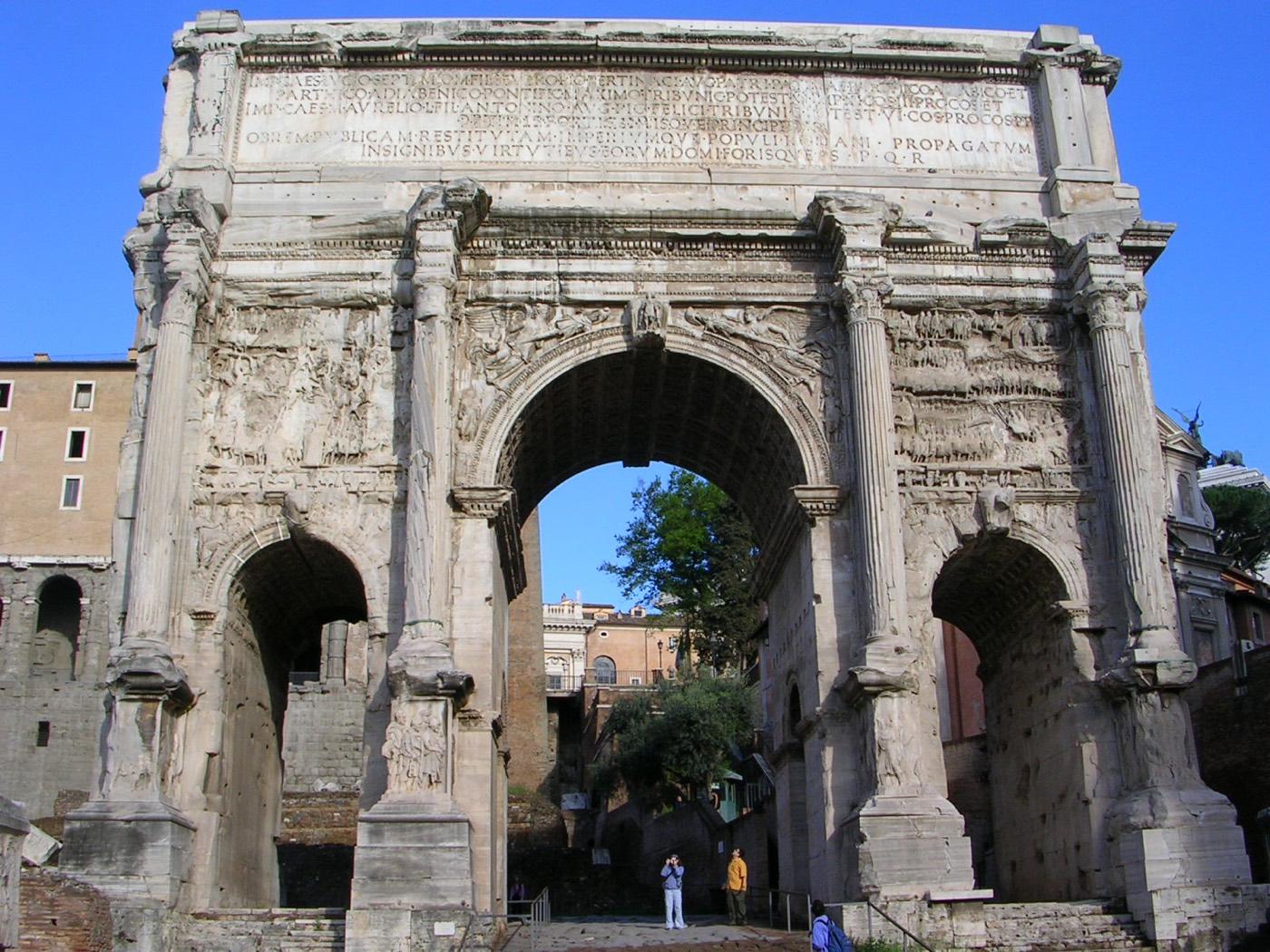
Needless to say, Rome and Persia came to see each other as their most formidable rival over centuries of conflict, with one Persian Shah referring to the two nations as the “Two Eyes of the World.” This geopolitical conflict was exacerbated by intense cultural conflict as well, with each empire viewing itself as the superior model for a nation to govern itself.
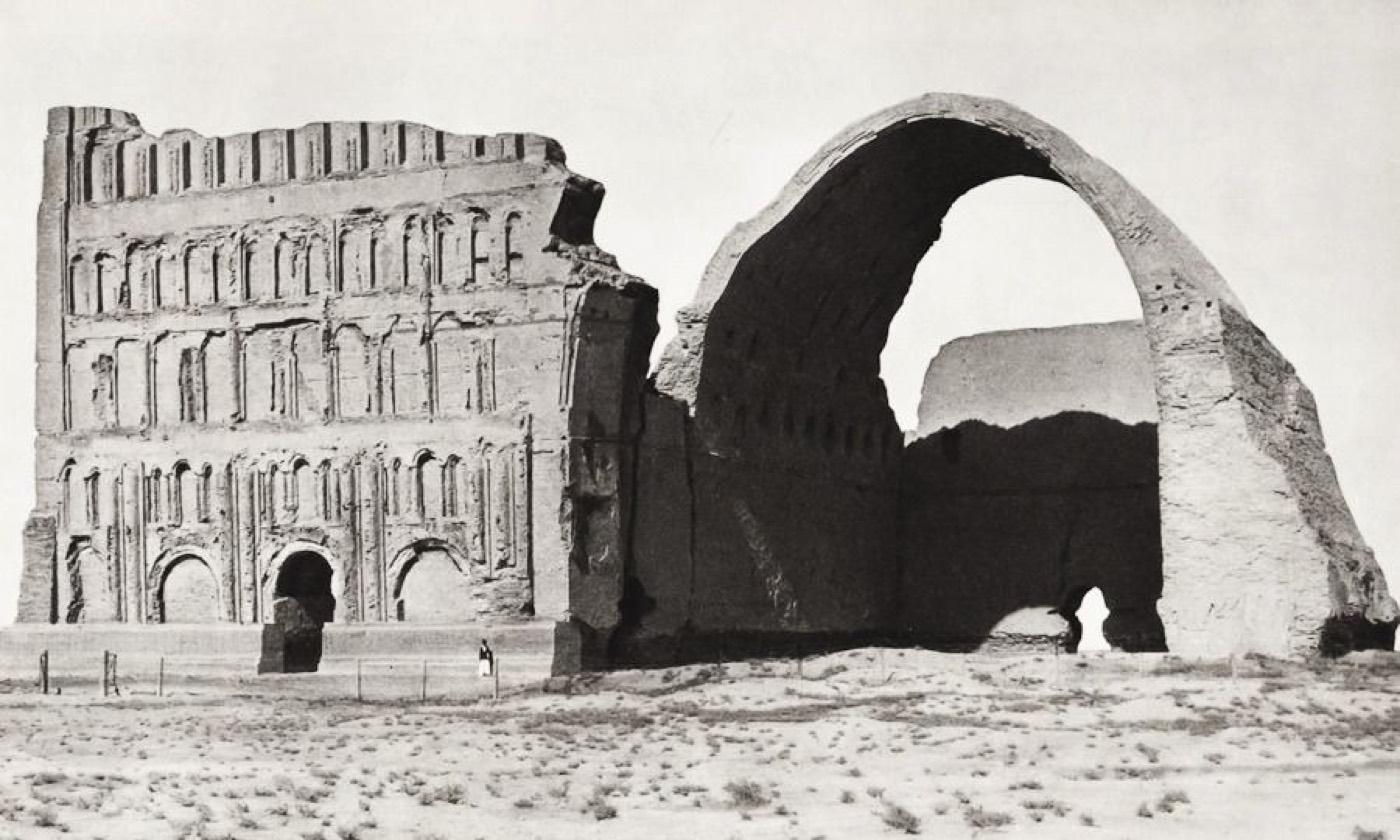
Rome was proud of what it saw as its superior moral values, such as liberty, law, and virtue.
Persia was proud of its ancient culture and history, centered on its native religion of Zoroastrianism.
Rome was known for its ability to stage miraculous comebacks.
Persia was known for its incredible continuity and resilience.
Rome was a republic with elected officials — which eventually morphed into a authoritarian imperial system.
Persia was an absolute theocratic monarchy.
Do you see the parallels yet?
Trump
In this context, how should we view the Trump presidency?
On one hand, it’s reasonable to view 2025 as the turning point where the American Republic and its institutions crumbled, giving way to an American Dominate of sorts. The collapse of America’s classical republican values is clear.
If Trump seeks a third term in 2028 — or, as is more likely, is killed or interrupted from doing so — then the parallels to the Caesarian moment will be complete. In other
How It Ends
So, who won the greatest power struggle of Classical Antiquity? Rome or Persia?
The answer is… neither.
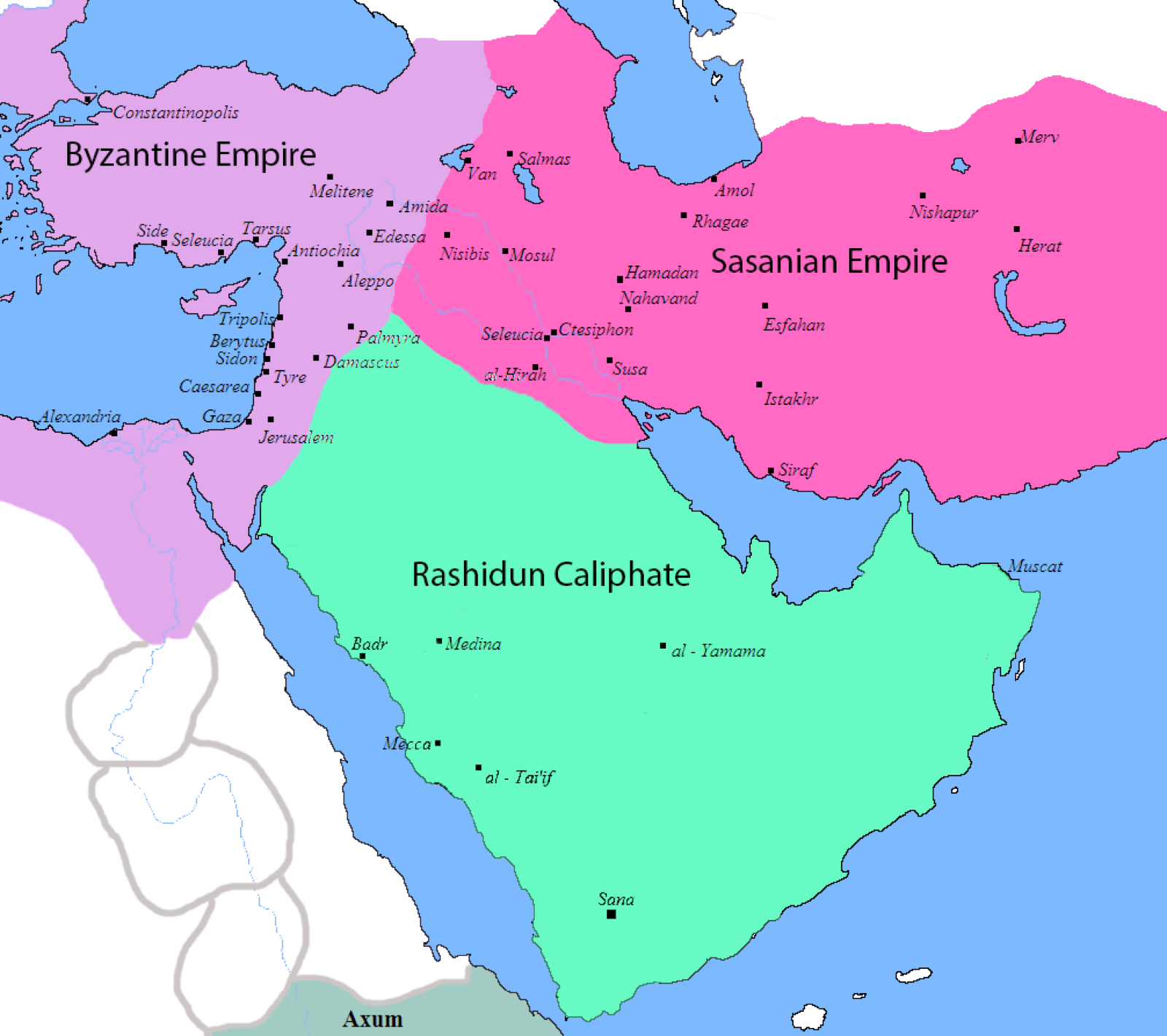
The final of these fated wars, the Byzantine-Sasanian War of 602-628, ended with both empires depleted and exhausted — at the worst possible time.
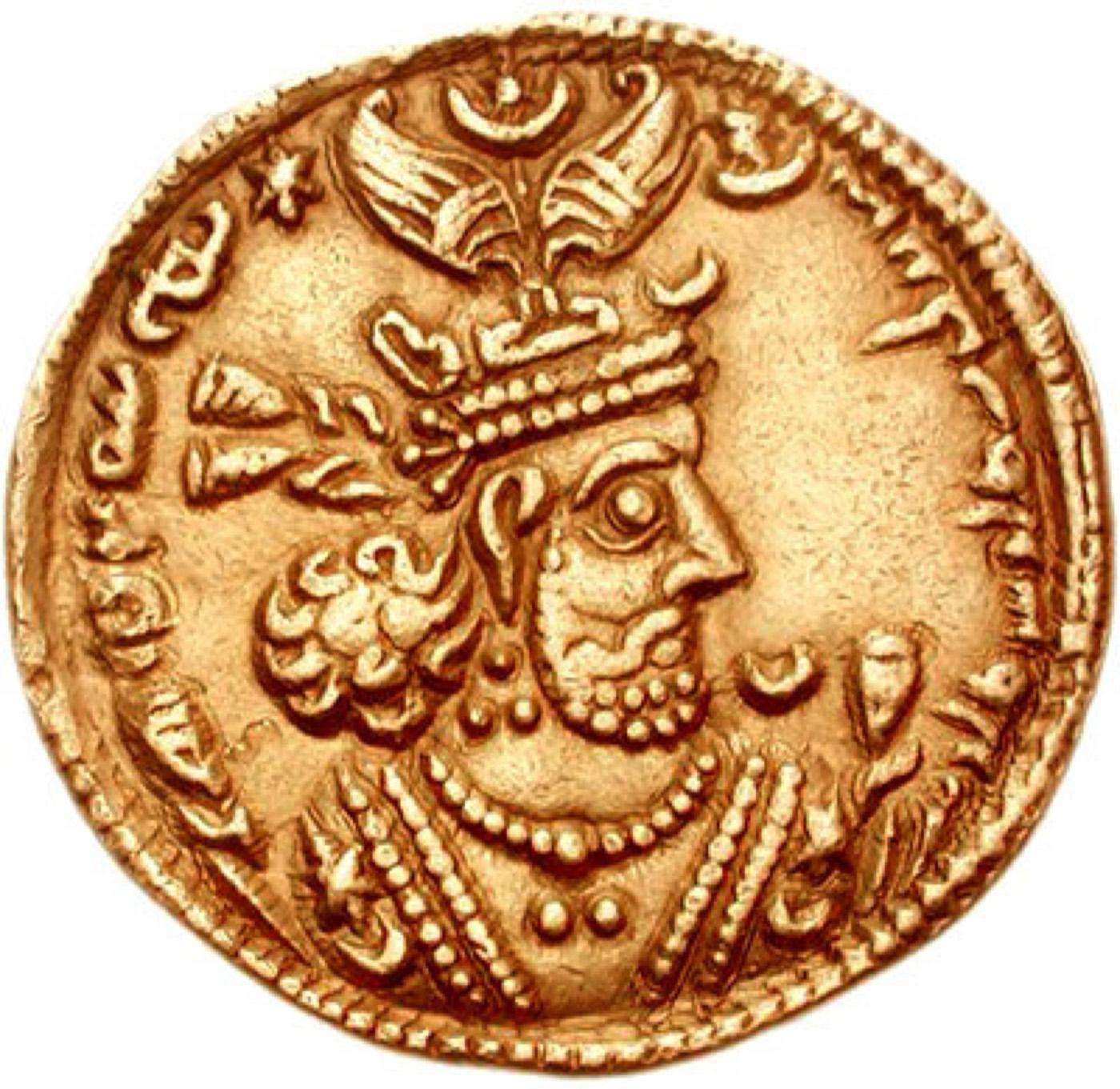
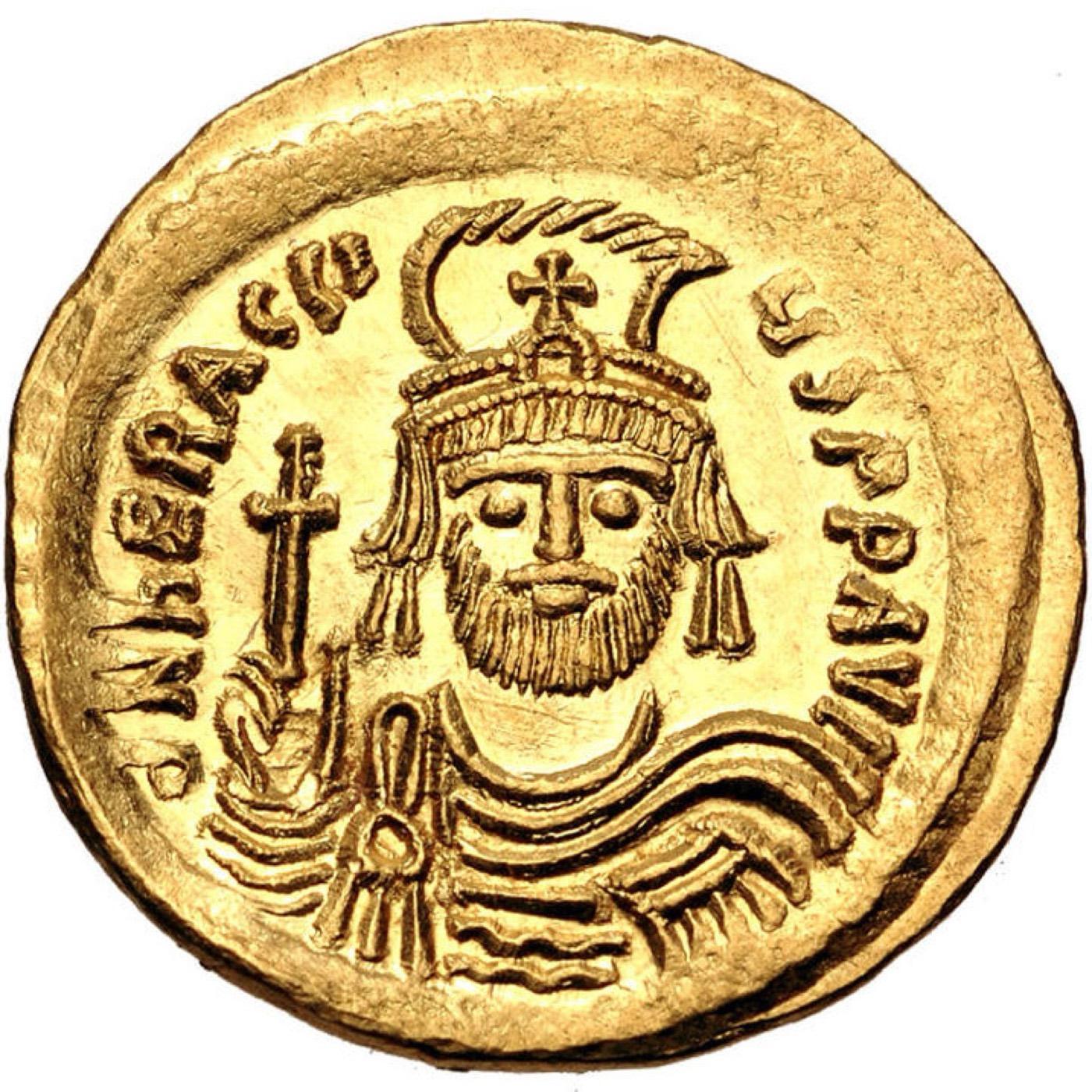
In the 7th century AD, an Arab prophet named Muhammad began preaching a new religion known today as Islam—and the newly unified Arab tribes launched a massive invasion against both empires. The Romans and Persians, both exhausted from years of warfare, could only mount a faint resistance as the newly established Islamic caliphate conquered most of their most valuable lands.
The Sassanian Empire was completely destroyed by the invading Muslim armies of that time, while the Romans managed to survive for a few more centuries as a crippled shell of its former self, eventually shrinking to the point of only controlling its capital city of Constantinople.
So what does this mean for the US and China?
My prediction is that the US-China conflict — which will undoubtedly dominate the next few decades of world affairs — will end with both nations trading hits back and forth, ultimately exhausting each other until new powers take their place.
The hard truth is: they simply cannot defeat each other.
But again: this is all just the rambling of a random guy on the internet. Take it with a grain of salt.
Image credits: Shapur relief by Diego Delso (CC BY-SA 4.0); Persepolis by Ggia (CC BY-SA 3.0); Naqsh-e Rostam by Maasaak (CC BY-SA 4.0); Arch of Septimius Severus by A. Hunter Wright (CC BY-SA 3.0); Khosrow II (CC BY-SA 3.0) and Heraclius (CC BY-SA 2.5) coins by Classical Numismatic Group; Diocletian by Dosseman (CC BY-SA 4.0). All others are in the public domain. Via Wikimedia Commons.